The luxury hospitality and wine industries are converging around a single strategic imperative: differentiation through authenticity and measurable sustainability. Il Borro Relais et Châteaux offers executives a case study in how heritage brands can execute this shift without sacrificing profitability or market position.
Under the leadership of Salvatore Ferragamo Jr., the Tuscany-based estate—owned by the Ferruccio Ferragamo family—has built a fully integrated luxury ecosystem spanning hospitality, regenerative agriculture, culinary excellence, and premium wine innovation. This spring, Ferruccio Ferragamo received a Laurea ad Honorem from the University of Florence in recognition of his contributions to sustainable agriculture, ethical tourism, and cultural stewardship, validating a business model increasingly referenced across the luxury sector.
Strategic Positioning: Consistency Over Trend Chasing
Rather than pursuing volume or chasing shifting consumer preferences, Il Borro's expansion strategy prioritizes identity protection and regional authenticity. The approach directly addresses a critical market challenge: how to grow globally while maintaining the positioning that drives premium pricing and brand loyalty.
"For us, it's about preserving the integrity and authenticity of what Il Borro stands for," Salvatore Ferragamo says. "The priority is not to adapt to trends, but to remain consistent with our identity."
As luxury hospitality shifts toward experiential travel and sustainability-driven expectations, this consistency-first strategy resonates with discerning travelers and collectors. Ferragamo articulates the competitive advantage clearly: "In a world where almost anything can be accessed instantly, true luxury lies in simple and genuine things."
The estate has carefully expanded into the U.S. market while protecting its Tuscan positioning—a replicable model for international brands seeking to scale without commodifying their core offering.
Operational Sustainability as Competitive Moat
Il Borro's approach to sustainability reveals a critical strategic distinction: measurable environmental performance versus marketing narrative. This operational rigor creates defensible competitive advantages that extend beyond brand positioning.
The 1,200-hectare estate includes over 500 hectares of protected woodland while operating regenerative and organic farming systems designed to improve long-term vineyard health. The renewable energy infrastructure has expanded from eight photovoltaic systems in 2013 to eighteen today. In 2024 alone, Il Borro produced 2.4 GWh of renewable energy while avoiding hundreds of tonnes of CO₂ emissions.
Critically, Ferragamo has implemented comprehensive Scope 3 emissions assessments to measure full environmental impact across operations and supply chain—a technical commitment that positions the brand ahead of regulatory and consumer trends.
Ferragamo's operational philosophy reflects disciplined restraint: "Sustainability, to be credible, must be measurable" and "We will not say it until the numbers support it. That is the difference between those who tell the story and those who build it."
This distinction matters strategically. Measurable sustainability becomes a moat against competitors making unsubstantiated claims while meeting emerging regulatory requirements and investor scrutiny.
Wine Portfolio Strategy: Deepening Identity
Il Borro's wine strategy mirrors its broader operational approach: depth over diversification. Rather than pursuing volume through broader product lines, the estate invests in wines that reinforce regional identity and strengthen collector appeal.
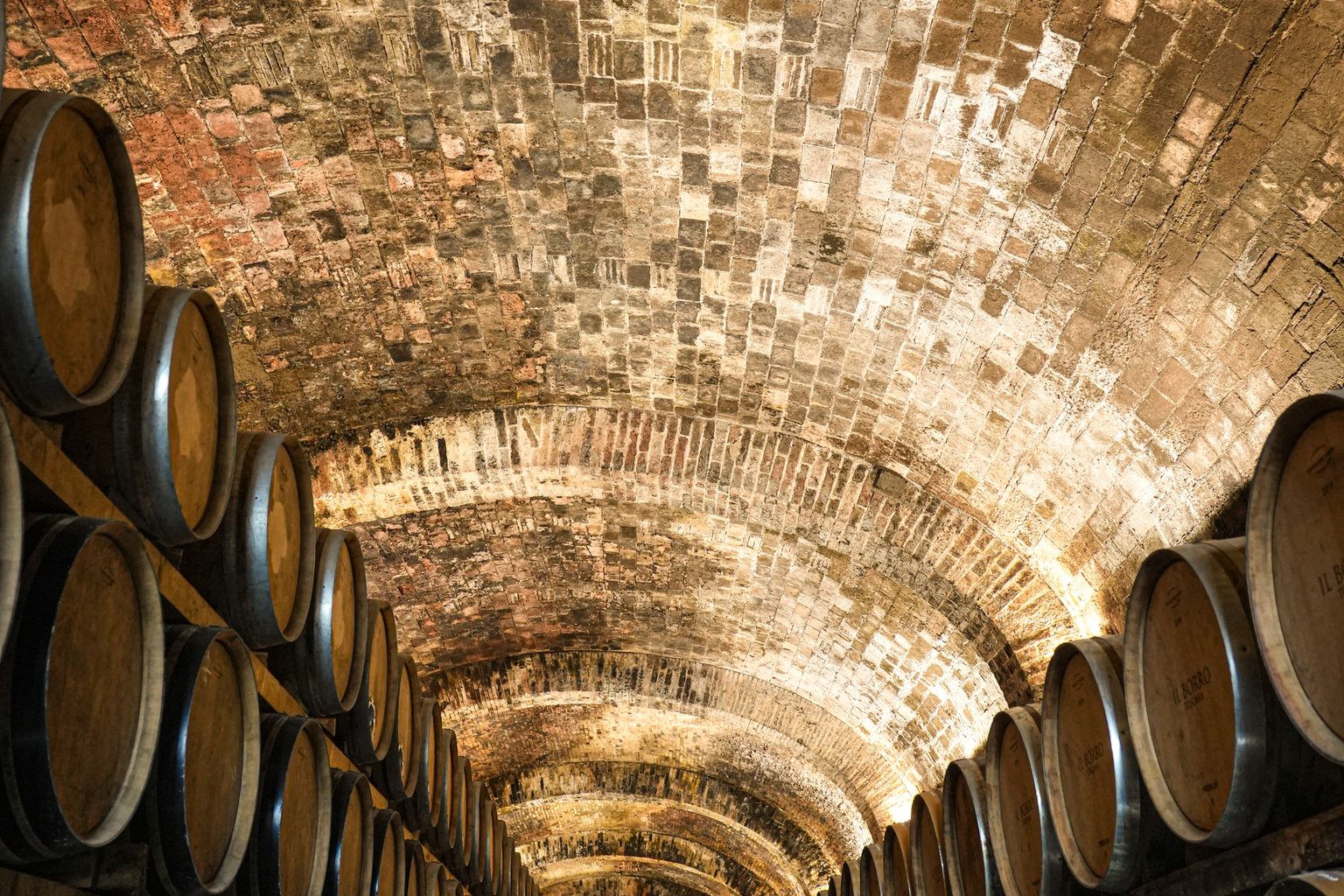
Petruna, the estate's amphora-aged Sangiovese, combines ancient winemaking techniques with modern precision—creating originality that sommeliers and collectors increasingly seek. The expansion into Brunello di Montalcino through the historic Pinino property represents a long-term investment in one of Italy's most globally respected appellations.
"The logic is always the same," Salvatore Ferragamo says. "Each project has to bring something unique. Not just more wines, but a clearer, stronger identity built over time."
This approach maximizes margins while building sustainable competitive positioning in a crowded premium wine market.
Culinary Operations as Guest Engagement Strategy
The culinary program demonstrates how operational integration drives guest experience and operational efficiency. Led by Andrea Campani, the farm-to-table dining concept emphasizes seasonality, local sourcing, and direct relationships with regional producers.
"We don't start from what we want to put on the menu," Campani explains, "but from what nature offers us at that specific moment."
This approach reduces supply chain complexity while strengthening the authentic narrative that justifies premium pricing. This season, Chef de Cuisine Andrea Godi introduced two new tasting menus at Osteria del Borro—"Omaggio al Borro" and "Armonie Vegetali"—designed to balance textures, contrasts, and seasonality while sourcing from the estate, supported by carefully selected small local producers and suppliers whose work reflects the same respect for quality, territory, and sustainability.
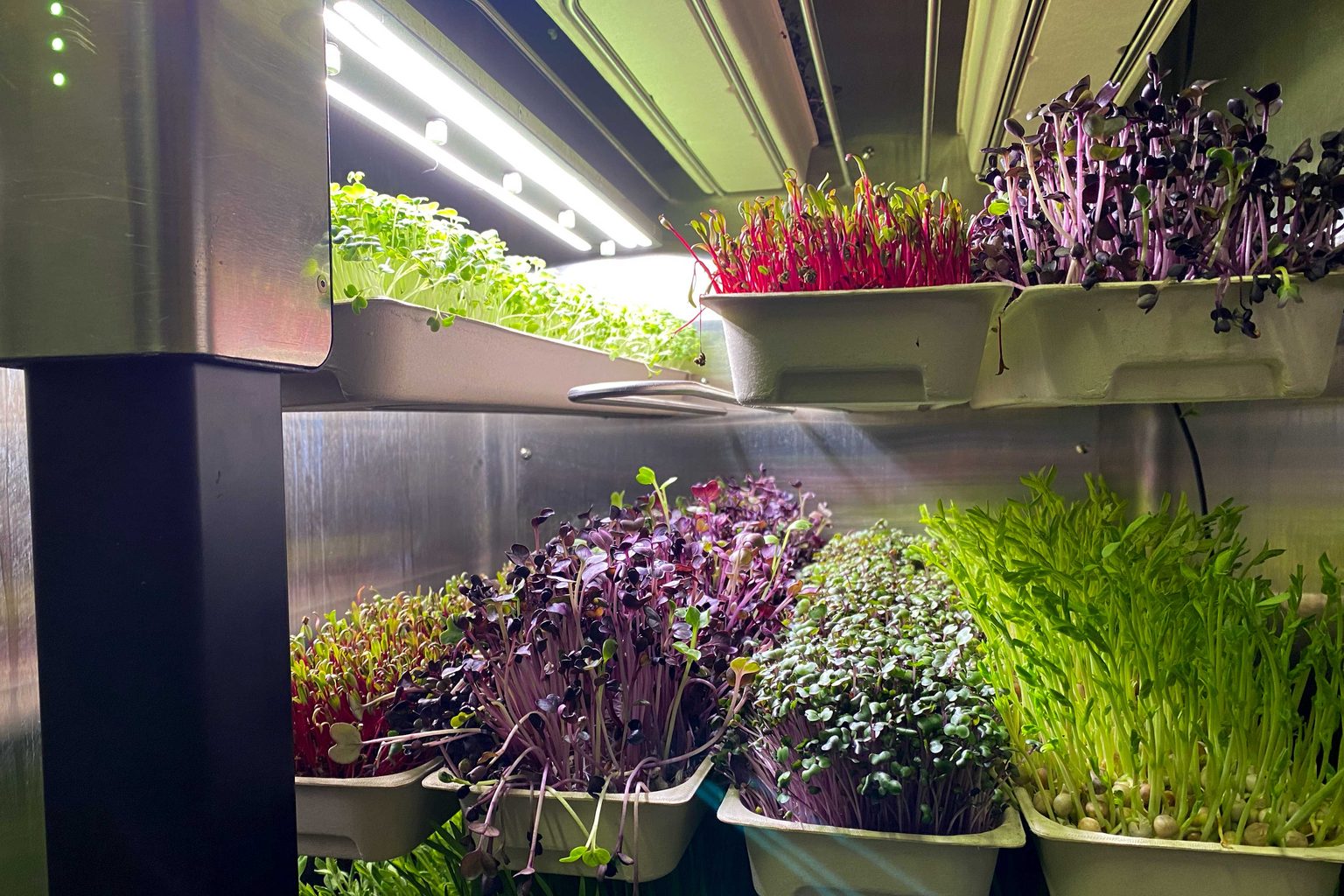
An intimate Chef's Garden experience, limited to two tables per evening and set directly within the vegetable garden, offers an immersive offering that deepens guest engagement while differentiating the property's culinary positioning. The exclusive tasting menu and dedicated table setting provide a privileged view of the chef's work while reinforcing the restaurant's philosophy: respect for seasonality, commitment to local sourcing, sustainable practices, and constant pursuit of excellence.
Replicable Blueprint for Luxury Expansion
As consumer expectations shift toward personal, emotionally resonant experiences over standardized luxury, Il Borro's integrated model offers a strategic blueprint for scaled growth. Values are embedded into the guest journey itself—from truffle hunting and vineyard tours to estate-grown ingredients and garden-led dining—creating experiences that feel lived rather than curated.
In an industry crowded with brands manufacturing heritage, Il Borro's possession of authentic infrastructure—land, traditions, measurable sustainability, integrated operations—creates a competitive moat that becomes increasingly difficult to replicate. For executives evaluating expansion strategy, the estate demonstrates how consistency, operational excellence, and identity-first positioning can drive both premium positioning and sustainable growth.