Miami's restaurant industry is experiencing a pivotal competitive moment. While many establishments compete on theatrics and exclusivity, Mano Libera—the contemporary Italian concept led by Chef Marco Giugliano—has captured international recognition from 50 Top Italy by pursuing a fundamentally different business strategy: anchoring operations around authentic culinary identity and genuine hospitality rather than trend-driven spectacle.
This strategic positioning arrives amid a measurable industry shift. Today's diners increasingly seek restaurants with narrative and intention—establishments where food reflects deeper cultural perspective rather than simply chasing trends. For hospitality leaders and restaurateurs, Mano Libera's success demonstrates that market demand has shifted decisively toward chef-driven concepts that prioritize emotional connection alongside technical excellence. Guests are no longer satisfied with beautiful interiors or social media appeal alone; they want restaurants that feel personal, memorable, and rooted in genuine passion.
A Strategic Framework Built on Differentiation
Chef Marco Giugliano's operational approach reveals disciplined decision-making at every level. Born in Italy and shaped by years working in global culinary destinations, Giugliano built the restaurant's competitive advantage around a single, clear point of view: Italian cuisine should evolve without losing its soul. That philosophy—embedded in the restaurant's name, "Mano Libera" (free hand)—becomes the operational framework guiding everything from menu development to service structure.
Rather than adhering to rigid expectations associated with upscale Italian dining, the restaurant embraces a format that fundamentally changes the guest experience. Diners are encouraged to share, engage, and place trust in the chef's direction—a model that creates more dynamic revenue potential and memorable positioning than the traditional appetizer-and-entrée structure. This immersive dining experience approach has become a distinguishing operational asset.
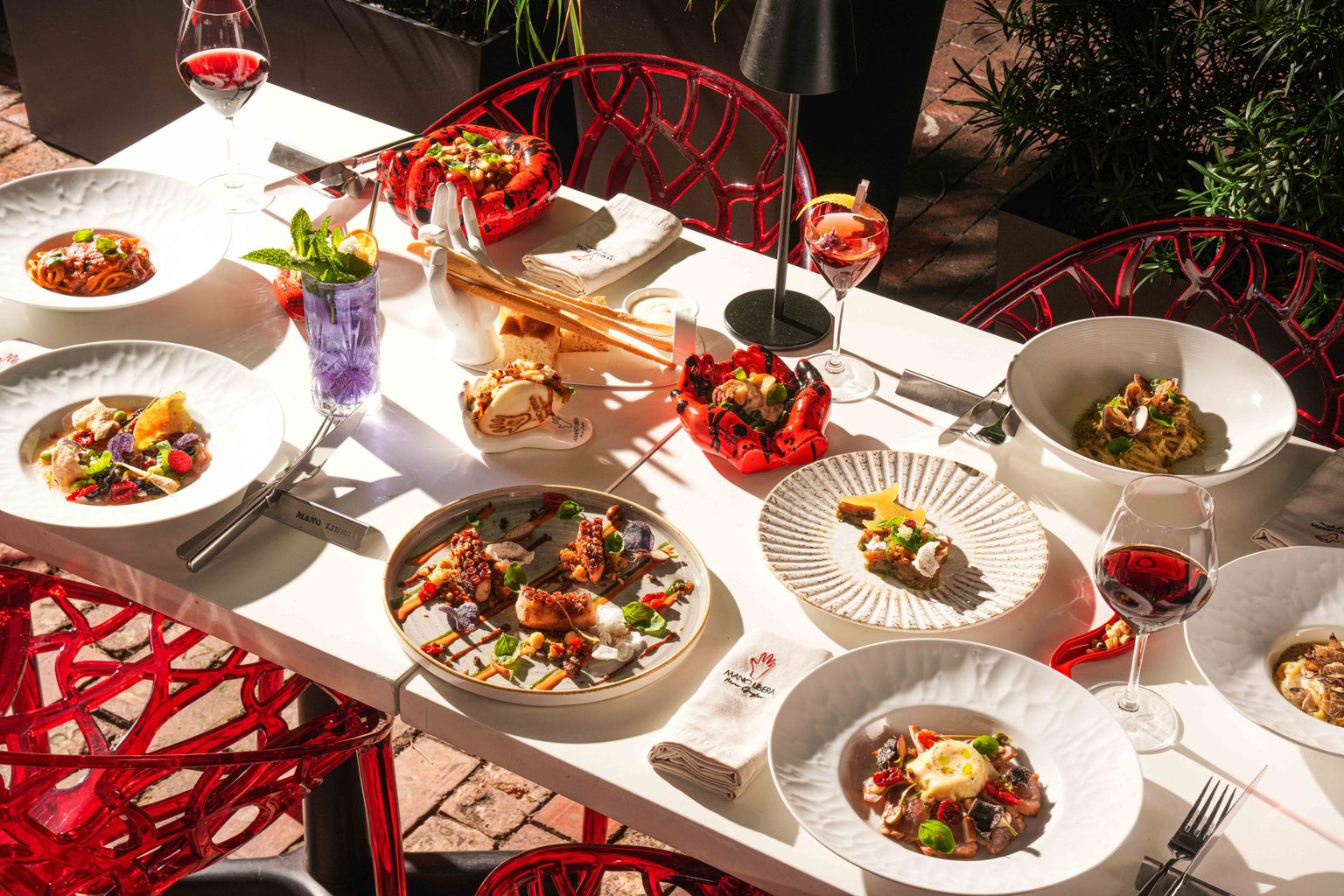
The menu architecture reflects this same strategic discipline. Handmade pastas, pristine seafood, seasonal ingredients, and carefully layered sauces showcase technical precision while maintaining the accessible comfort that defines Italian cuisine's broad appeal. The balance between refinement and accessibility—avoiding the stiffness that can overshadow fine dining while operating at elevated culinary levels—has become one of the restaurant's greatest competitive strengths.
Execution and Market Positioning
Mano Libera's recognition from 50 Top Italy underscores a larger industry reality: authentic, well-executed concepts with clear cultural positioning now command international credibility and market authority. For Miami specifically, the restaurant's international validation further cements the city's emerging reputation as a serious global dining destination—a competitive advantage that extends beyond individual establishments to influence regional hospitality strategy and tourism positioning.
Operationally, every detail contributes to deliberate positioning. Contemporary design elements, vibrant textures, and curated artistic details create a space that reads as modern and expressive while remaining unmistakably Italian. From plating to service flow, the entire experience is designed to feel experiential rather than performative—a distinction that separates leader concepts from followers in a crowded market.
The restaurant continues to evolve based on seasonality, creativity, and the ongoing dialogue between Italian tradition and contemporary dining culture. Rather than treating tradition as constraint, Giugliano has built a sustainable competitive model where heritage becomes the foundation for expressive, contemporary interpretation of Italian hospitality.
Strategic Implications for Hospitality Leadership
Mano Libera's trajectory offers critical lessons for hospitality executives and decision-makers. The restaurant succeeds by refusing to compete on spectacle or exclusivity—territory crowded with undifferentiated competitors. Instead, it has anchored market position around three strategic pillars: genuine culinary identity, authentic hospitality prioritizing guest connection, and disciplined operational execution that respects both classical technique and contemporary market expectations.
For industry leaders evaluating positioning strategies, the model demonstrates measurable ROI from commitment to narrative and intention over trend-chasing. Chef-driven concepts that deliver sincere hospitality and extend the experience far beyond the plate itself now command the market authority and international recognition that drive premium positioning and sustainable competitive advantage.