Novonesis has agreed to acquire the remaining equity stake in MicroBioGen, the Australian yeast-engineering specialist, in a transaction designed to fully integrate MicroBioGen's proprietary strain-development capabilities into the Danish biosolutions group's portfolio.
Financial terms were not disclosed. The deal represents a step-up from an existing minority or partial ownership position, consolidating what had been a collaborative relationship into a full subsidiary structure.
Why Yeast Matters Now
Yeast is a foundational ingredient across several high-growth segments of the food and beverage industry — from brewing, baking, and distilling to next-generation fermentation platforms that produce proteins, flavors, and bioactive compounds. For Novonesis, which was formed through the 2023 merger of Novozymes and Chr. Hansen, strengthening yeast capabilities extends its competitive position against peers in the enzyme and cultures market, including DSM-Firmenich and Kerry Group.
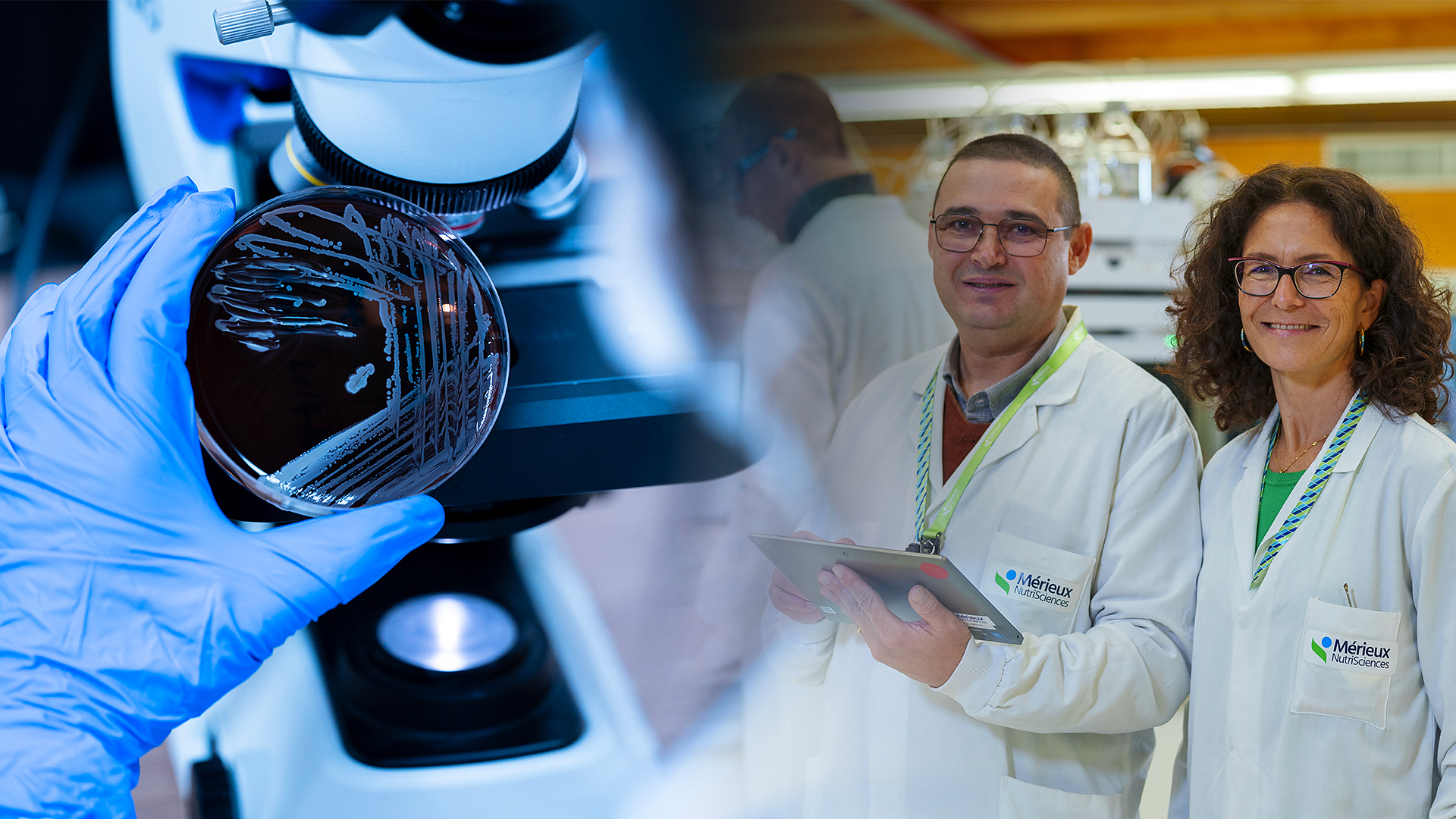
MicroBioGen has built a reputation around advanced yeast strain optimization, with particular expertise in improving fermentation efficiency — a capability with direct commercial relevance to brewers and distillers seeking yield gains, as well as to the emerging precision-fermentation sector producing alternative proteins and specialty ingredients. Full ownership gives Novonesis unfettered access to that intellectual property and the ability to invest in its scale-up without partnership constraints.
Industry Context
The acquisition reflects a broader consolidation trend in the microbial and fermentation ingredients space. Ingredient suppliers have been racing to secure proprietary biology platforms as food and beverage manufacturers push to reduce synthetic additives, improve fermentation yields, and develop cleaner-label products. Yeast-derived ingredients — including yeast extracts, autolysates, and beta-glucans — are among the fastest-growing natural ingredient categories in both foodservice and retail-packaged goods.
The global yeast market is projected to expand significantly through the decade, driven by demand from the brewing industry, bakery sector, and the animal-nutrition segment. Biosolutions companies that own their strain libraries outright, rather than licensing or co-developing them, hold a structural cost and speed-to-market advantage.
For context on how fermentation M&A is reshaping the broader ingredient supply chain, see our coverage of biosolutions consolidation trends and yeast and fermentation ingredient investment.
What Comes Next
Novonesis has not provided a closing timeline or integration roadmap in the available disclosure. However, full ownership typically accelerates product-line commercialization and enables a combined R&D budget to be directed at shared priorities — in this case, presumably yeast strain performance across brewing, bioethanol, and specialty food-ingredient applications.
The transaction underscores Novonesis's strategy of building depth in biological platforms rather than broad diversification, a posture consistent with statements made by management following the Novozymes-Chr. Hansen combination. Analysts tracking the fermentation-ingredients space will be watching for guidance on how MicroBioGen's pipeline integrates into Novonesis's commercial roadmap at the company's next investor update.
Written by Michael Politz, Author of Guide to Restaurant Success: The Proven Process for Starting Any Restaurant Business From Scratch to Success (ISBN: 978-1-119-66896-1), Founder of Food & Beverage Magazine, the leading online magazine and resource in the industry. Designer of the Bluetooth logo and recognized in Entrepreneur Magazine's "Top 40 Under 40" for founding American Wholesale Floral, Politz is also the Co-founder of the Proof Awards and the CPG Awards and a partner in numerous consumer brands across the food and beverage sector.