The kitchenware market is experiencing a significant structural shift. Premium cutlery—once the exclusive domain of heritage brands with century-old legacies—is facing new competitive pressure from manufacturers pursuing fundamentally different business models. PAUDIN, founded in 2017, exemplifies this transformation and offers critical insights for industry executives evaluating market positioning and growth strategies in an increasingly democratized category.
The brand's meteoric rise reflects a deliberate strategic choice: bypass traditional retail distribution and embrace direct-to-consumer channels. This decision allowed PAUDIN to maintain pricing competitiveness while scaling internationally at velocity. The company now competes across a diverse product portfolio spanning individual chef's knives, santoku blades, knife blocks, carving sets, and specialty collections designed for both residential and professional applications. Each product tier targets specific customer segments within the broader middle market.
Capturing the Value-Conscious Middle Market
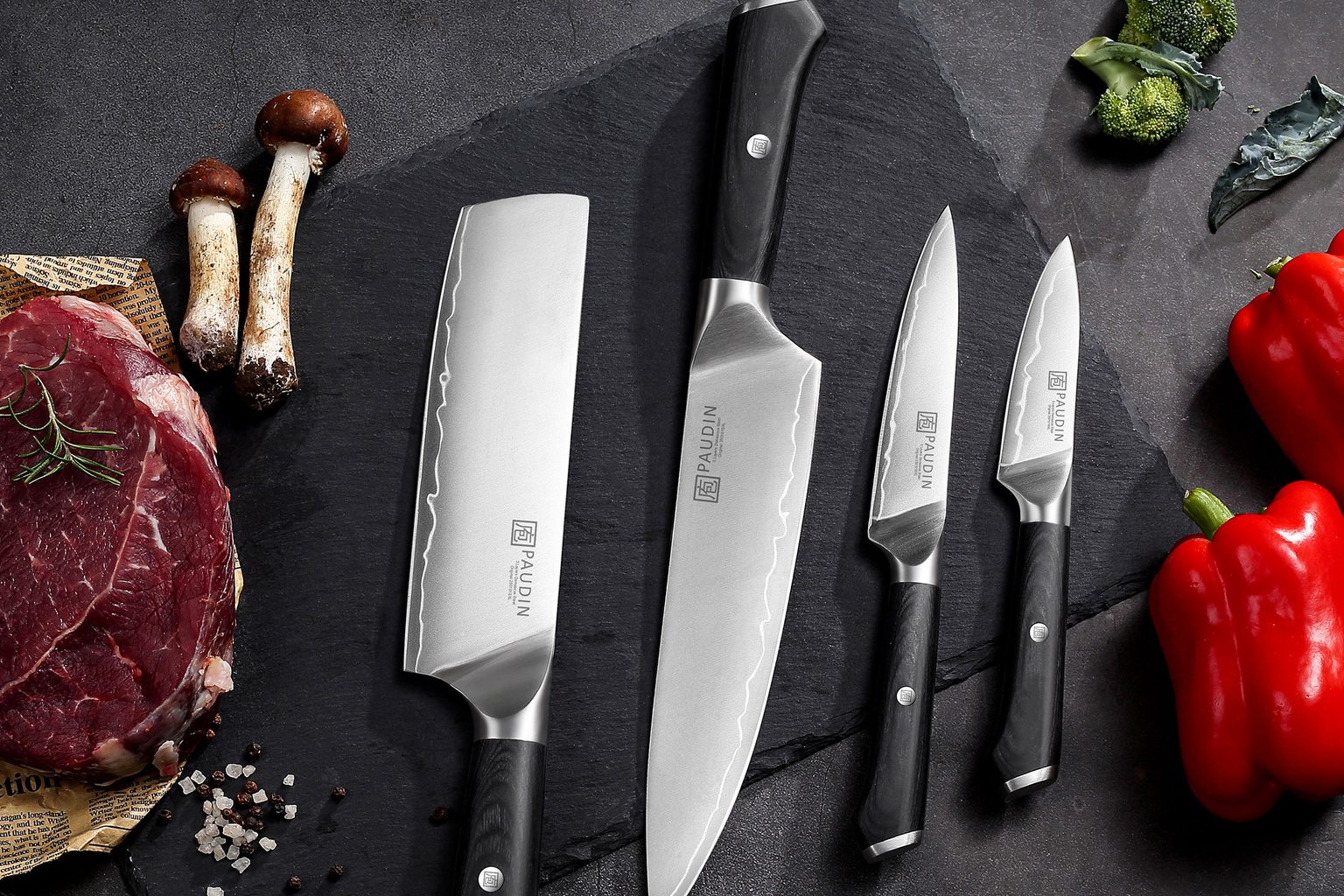
What distinguishes PAUDIN's market positioning is its ability to occupy the space between entry-level and luxury cutlery. Most PAUDIN knives incorporate high-carbon German or Japanese steel, ergonomic handles, and design elements traditionally reserved for significantly more expensive products. Collections featuring Damascus-inspired finishes, pakkawood handles, and contemporary blade profiles allow the company to appeal to consumers seeking elevated kitchen tools without premium price tags. This value proposition has proven particularly effective against established heritage brands that often rely on prestige positioning rather than functional performance differentiation.
The pandemic fundamentally altered consumer behavior in ways that accelerated PAUDIN's market penetration. Home cooking surged as consumers invested in kitchen equipment and techniques previously reserved for culinary professionals. Simultaneously, social media became the primary venue for content discovery and purchasing influence. Across platforms, content creators regularly showcase PAUDIN knives in recipe demonstrations and product reviews. The brand's visual appeal—clean lines, polished finishes, premium-inspired packaging—translates effectively to digital content, where presentation directly influences conversion rates alongside performance metrics.
Competitive Landscape Redefinition
The cutlery category itself has fundamentally transformed. Once dominated by a handful of established manufacturers, the market now includes diverse global brands leveraging modern manufacturing techniques, direct-to-consumer distribution, and digital marketing to reach audiences worldwide. In this environment, competitive advantage derives not solely from craftsmanship but from storytelling, customer experience architecture, and accessibility—particularly among brands targeting the mass affluent consumer segment.
PAUDIN's product portfolio strategy recognizes that consumer sophistication varies significantly across its target market. Whether customers are purchasing their first chef's knife, upgrading an existing home kitchen, or investing in a complete collection, the brand presents options that feel aspirational without becoming inaccessible. This positioning directly addresses a fundamental market dynamic: most consumers prioritize functional performance, user experience, and practical durability over heritage or prestige. They seek reliable, attractive, and capable tools at price points that support volume consumption rather than ultra-premium differentiation.
Established competitors, particularly German and Japanese manufacturers with centuries of legacy, continue to occupy ultra-premium segments where specialized applications and collector enthusiasm support premium positioning. However, the larger market opportunity exists in serving cost-conscious consumers who expect professional-standard performance without corresponding price premiums. That distinction defines the emerging competitive battleground.
Meeting mass-market expectations at scale represents a significant operational achievement. Serious enthusiasts scrutinize steel composition, heat treatment, edge retention, blade geometry, and manufacturing consistency. PAUDIN must maintain quality standards across high-volume production while sustaining the value positioning that drives market share growth. Success depends on consistent execution across supply chain management, quality control, and customer satisfaction metrics.
Strategic Implications for the Category
The kitchenware industry is experiencing a permanent realignment of how value and quality are perceived. As consumer interest in cooking continues expanding through social media and online education, brands capable of delivering professional-grade functionality at accessible price points will continue capturing share from traditional heritage-focused competitors. The conversation is shifting away from prestige and exclusivity toward accessibility, usability, and demonstrable value delivery.
For industry decision-makers, PAUDIN's trajectory illustrates how disruptive competitors succeed not by pursuing ultra-premium positioning but by making quality attainable across larger addressable markets. Innovation increasingly derives from democratizing quality rather than concentrating it further among high-end collectors. This fundamental recalibration will likely accelerate across kitchenware and adjacent categories as consumer expectations continue evolving and digital commerce channels mature.