Salvatore Ferragamo Jr. and Chef Andrea Campani discuss how Il Borro — the Tuscan estate spanning 1,200 hectares — is navigating international expansion while maintaining brand integrity and operationalizing sustainability as a core business strategy, not a marketing tool.
Strategic Expansion Without Compromise
As Il Borro expands internationally, particularly into the U.S. market, the priority is not to adapt to trends, but to remain consistent with brand identity. "The foundation doesn't change," Ferragamo Jr. explains. "That means staying true to our Tuscan roots, to a certain way of doing things, from the ingredients we choose to the atmosphere we create. It's a balance between evolution and coherence."
Ferragamo Jr. inherited one of the most iconic family legacies in Italian luxury, but rather than redefining luxury itself, he has translated Ferragamo principles—quality, craftsmanship, and clear brand identity—into a new context: land, wine, and hospitality. "All moves in the same direction, focusing on the experience we create for those who drink our wine or stay at our Relais: it has to create a long lasting memory."
Innovation as a Tool for Tradition
The competitive advantage lies in viewing tradition and innovation not as opposites, but as complementary forces. "If anything, innovation should empower tradition, not replace it," Ferragamo Jr. says. "Tradition is the framework, how we grow, how we produce, how we host, the ingredients. Innovation comes in as a tool for precision, to refine and enhance what already exists."
A concrete example: in the vineyard, Il Borro employs sexual confusion—a sustainable pest management technique using small pheromone diffusers to disrupt insect mating cycles. The method has roots in French practice dating back decades, but Il Borro has refined it through more precise technological application, reducing chemical intervention while improving vineyard health and wine quality. "It has to stay alive, and that means evolving it with intention."
Sustainability as Operational Imperative, Not PR
For Il Borro, regenerative agriculture represents a necessary evolution with direct business impact. "For wine, it's quite direct: healthier soils, better balance in the vineyard, and ultimately more precise wines. It's not just an environmental choice; it's also a quality decision," Ferragamo Jr. states. In hospitality, the impact broadens: it influences sourcing strategy, seasonality planning, and the relationship between land and guest experience. "On a global level, I think it will become less of a differentiator and more of an expectation."
Il Borro operates a certified organic estate with significantly reduced environmental footprint. The organization is moving beyond aspirational targets to measurable, transparent reporting. In 2013, Il Borro deployed eight photovoltaic systems; today, it operates eighteen. In 2024, these systems produced 2.4 GWh of renewable energy, avoiding 669 tonnes of CO₂. In 2025, production reached 2.7 GWh.
The estate conducted its first comprehensive Scope 3 assessment in 2024, mapping indirect emissions across the entire value chain. A critical asset remains unmeasured: carbon sequestration across Il Borro's 520 hectares of pristine woodland, which shelters around 50 protected species. "We believe that once the full picture is measured, it will tell a very compelling story," Ferragamo Jr. says. "But we will not say it until the numbers support it because sustainability does not tolerate inconsistencies. That is the difference between those who tell the story and those who build it."
Supply Chain Control as Competitive Differentiation
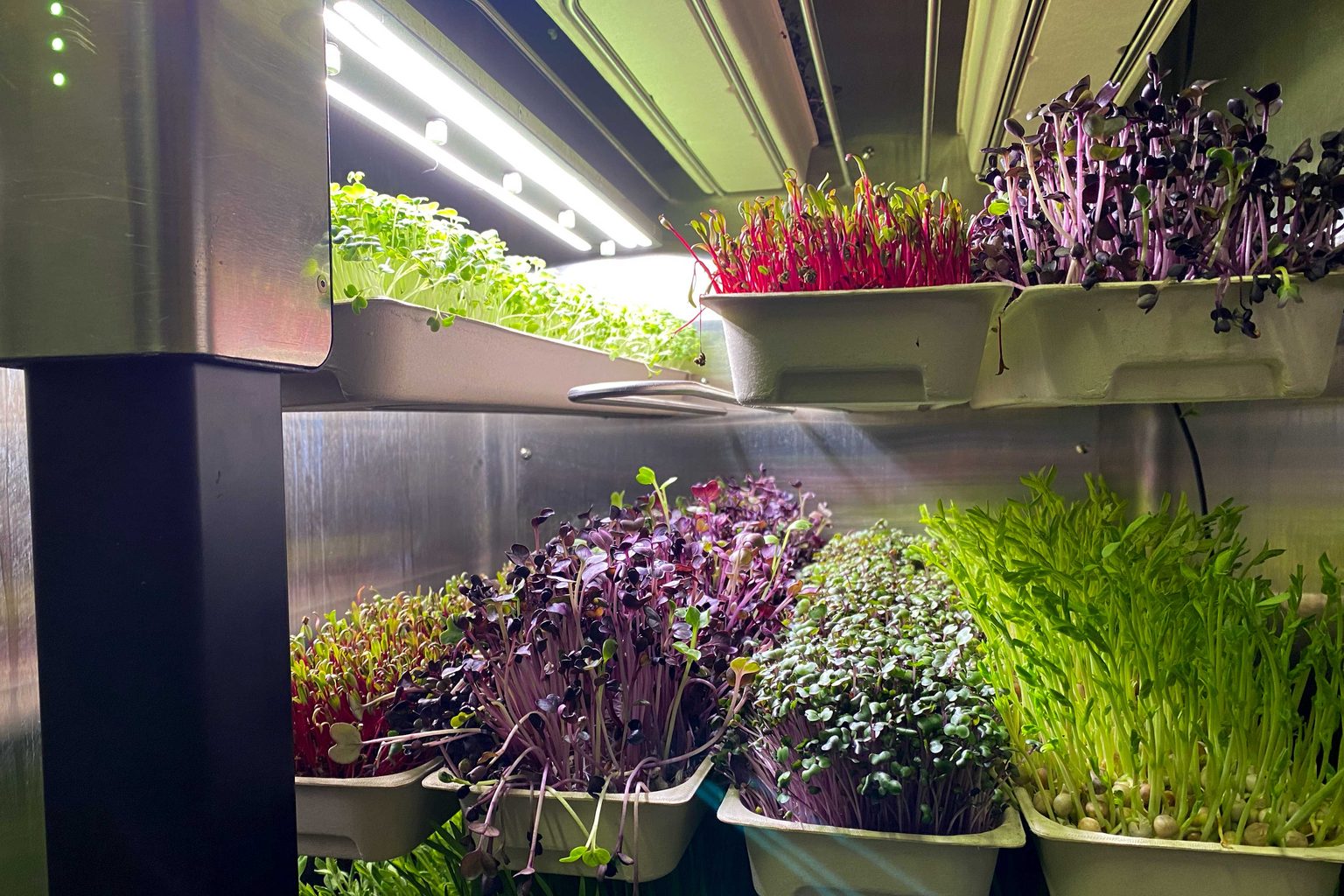
Full control over the supply chain—from vineyards to vegetable gardens—fundamentally reshapes menu strategy, pricing power, and guest relationships. Rather than designing menus first, Chef Andrea Campani's approach begins with what nature provides in real time. "We don't start from what we want to put on the menu but from what nature offers us at that specific moment. This allows us to be more creative, but it also requires a great ability to adapt because sometimes a product can change or become unavailable at the last minute."
That direct connection to production—from cheese production to truffle hunting—drives constant menu renewal based on seasonal availability. "Our Farm-To-Table menu is constantly renewed, only evolving with the seasons and the availability of the freshest ingredients," Chef Campani notes. This approach ensures each dish reflects Tuscan authenticity while highlighting products at peak quality.
Vertical integration does not reduce costs. Working with small producers, sustainable farms, and non-intensive agriculture typically involves higher costs than industrial systems. "This is inevitably reflected in the final price, but guests recognize the value of making an ethical, safe, and healthy choice. Knowing exactly where every ingredient comes from and being able to personally guarantee its origin creates a very strong relationship of trust with the guest."
The human element strengthens operational resilience: direct contact with farmers, breeders, and producers deepens understanding of seasonal rhythms, animal welfare, and production realities—knowledge that translates into richer guest experiences and more adaptive menu strategies.
Wine Portfolio Strategy
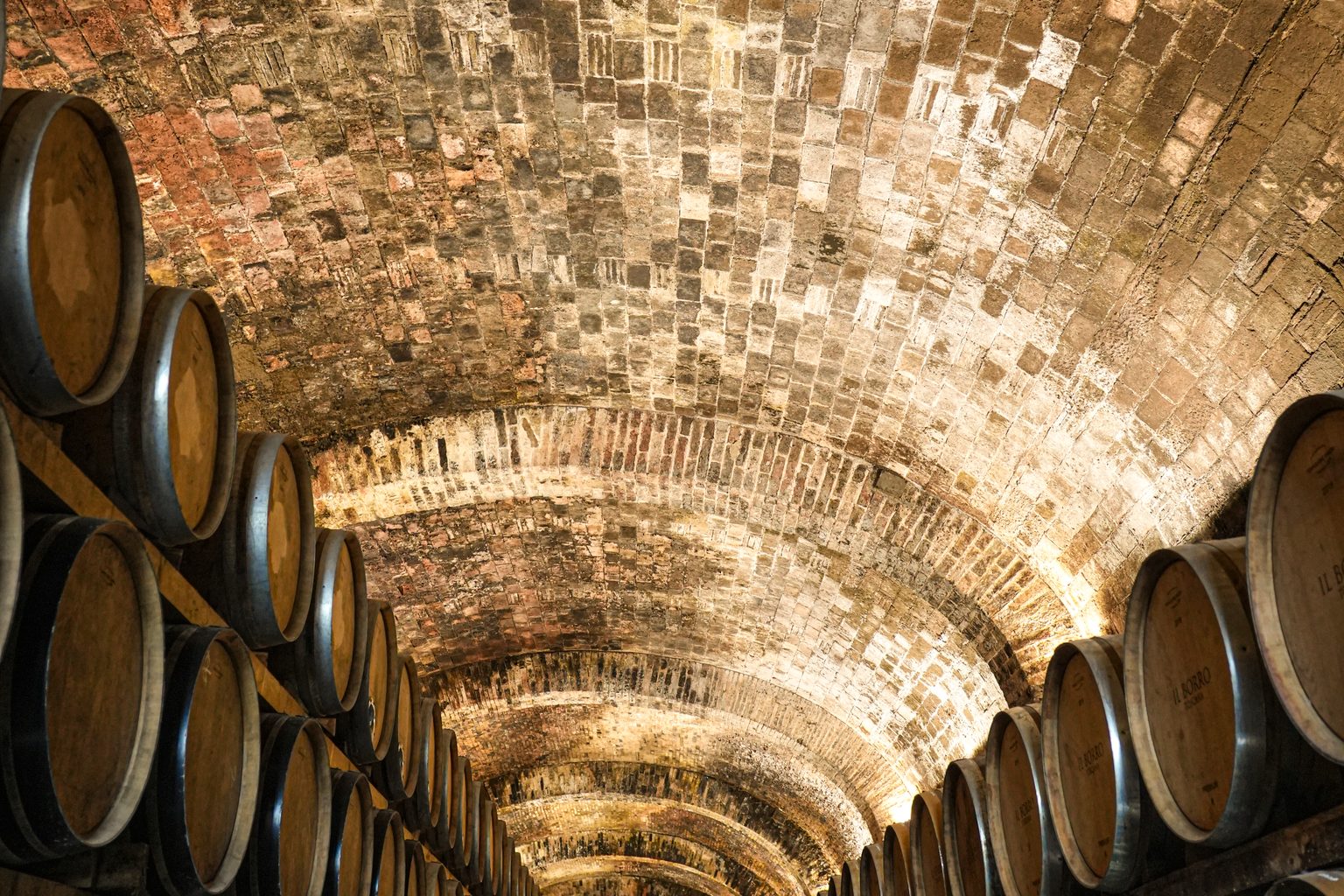
Il Borro's wine evolution—from amphora-aged Petruna to expansion into Brunello di Montalcino through the Pinino estate—reflects deliberate portfolio building, not volume growth. "Each project has to bring something unique. Not just more wines, but a clearer, stronger identity built over time," Ferragamo Jr. explains.
Petruna represents a deepening of expression through traditional amphora aging, reintroducing methods with contemporary relevance. The Brunello di Montalcino investment serves as a long-term strategic play that strengthens Il Borro's overall profile with a globally recognized wine. Pinino itself is one of the founding estates of the Brunello di Montalcino DOCG, dating to the denomination's early years—another expression of historical connection combined with modern positioning.
Meeting Next-Generation Market Expectations
The next generation of luxury travelers and diners prioritizes authenticity over access. "In a world where almost anything can be accessed instantly, the true luxury lies in simple and genuine things," Ferragamo Jr. says. "What people begin to crave instead is authenticity: something real, unfiltered, and deeply human."
For this demographic, luxury is redefined by experience quality and meaning. "Luxury is something intimate, meaningful, and sustainable. It invites us to slow down, to reconnect with our senses, and to appreciate the essence of things."
With the recent redesign of Il Borro Tuscan Bistro, the beverage and dining program has evolved to "refine that identity rather than adapting it," Chef Campani notes. "The goal is not to change the message, but to make it legible. When the experience is genuine, from the glass to the plate, it naturally connects with guests from different cultures."