
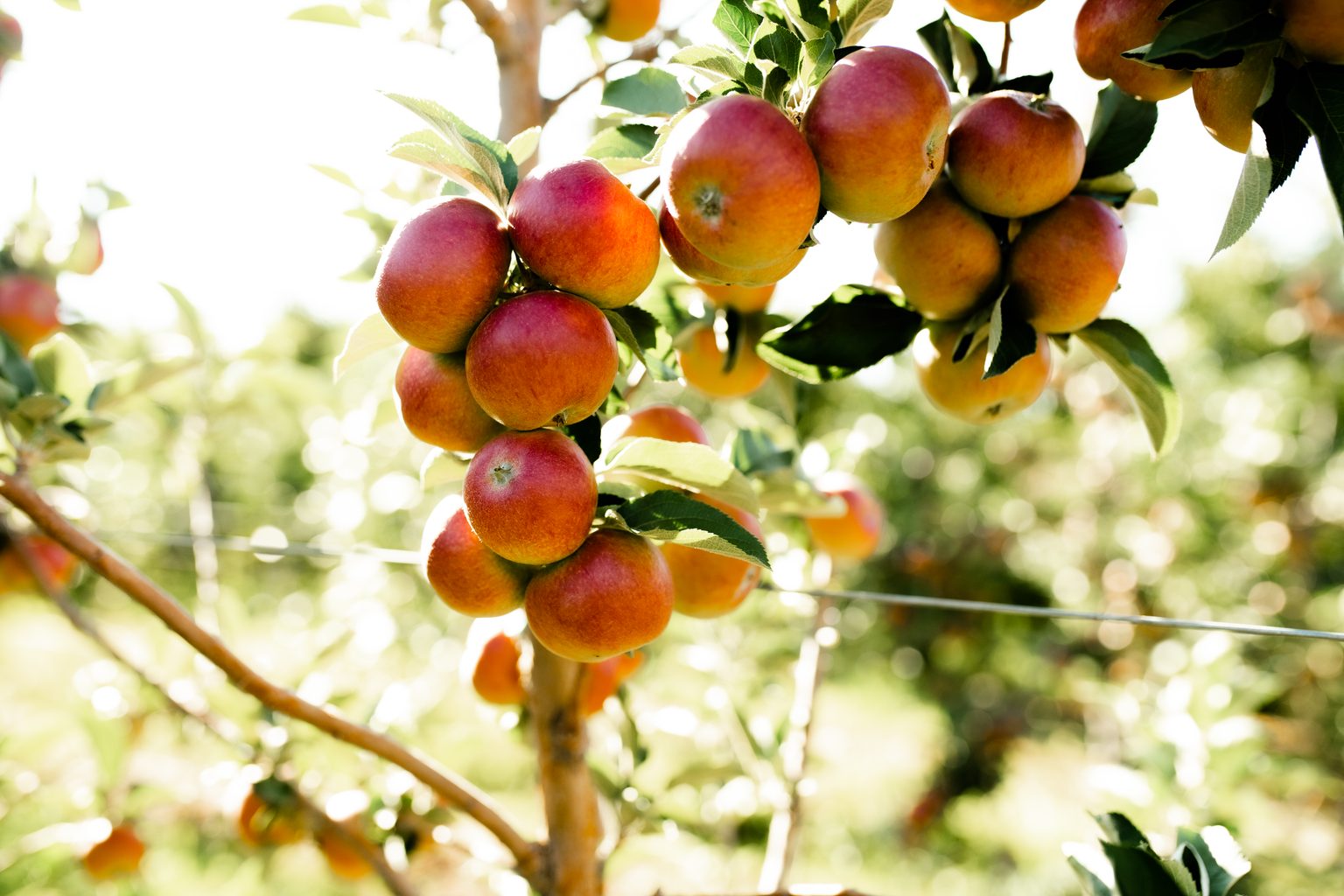
The American cider category has experienced remarkable growth over the past decade, yet competitive differentiation increasingly depends on agricultural control and production discipline—not simply market expansion. As the category matures, producers who invest in estate orchards, vertical integration, and quality-driven production are establishing defensible market positions. Snow Capped Cider demonstrates how this strategy translates into sustained business performance and industry recognition.
Building Competitive Moat Through Vertical Integration
Colorado-based Snow Capped Cider operates from the Surface Creek Valley on Colorado's Western Slope with a strategic advantage: complete control over its supply chain. Rather than sourcing fruit from multiple growers, the family-owned cidery manages more than 100 apple varieties across its own orchards, from cultivation through fermentation and bottling. This vertical integration—a philosophy more commonly associated with premium wine producers—creates several operational advantages. Fruit is harvested based on maturity rather than shipping schedules, enabling individual varieties to be fermented to showcase distinct characteristics before being blended or bottled as single-varietal releases.
Fourth-generation orchardist Ty Williams and head cidermaker Kari Williams oversee this integrated operation, which includes traditional European cider apples, heirloom cultivars, dessert apples, and perry pears. The approach directly influences product quality and portfolio diversification, allowing the company to develop a range that demonstrates the diversity of both apples and fermentation styles rather than producing cider to fit a single consumer preference.
Five Generations of Operational Infrastructure
The Williams family's 100-plus-year history of fruit cultivation in western Colorado provides substantial operational foundation. That multigenerational expertise translates into orchard management capabilities that directly influence finished product quality. The Surface Creek Valley location—at elevations exceeding 6,000 feet beneath Colorado's Grand Mesa—offers growing conditions that few North American producers can replicate: warm days, cool nights, mineral-rich soils, and abundant snowmelt irrigation. These conditions enable apples to develop bright natural acidity while maintaining sugar levels necessary for balanced fermentation, and allow traditional cider varieties to perform exceptionally well despite European origins.
Market Recognition Validates Strategy
The cidery's commitment to orchard-driven production has generated substantial industry validation. Snow Capped was named GLINTCAP Mid-Size Cider Maker of the Year for the third consecutive year while establishing a new competition record with 14 Best in Show awards at the Great Lakes International Cider and Perry Competition—widely regarded as one of the industry's most respected evaluations of thousands of entries from producers worldwide. At the Cidercraft Awards, Snow Capped received 23 medals spanning Platinum, Double Gold, Gold, Silver, and Judges' Pick honors across a wide range of cider styles. Several ciders have also been recognized by the Good Food Foundation, reinforcing reputation among producers focused on agricultural quality and responsible production.
Expanding On-Premise Opportunity
Beverage programs continue evolving to accommodate cider in expanded roles. Beverage directors are increasingly introducing dry, tannic, and single-varietal ciders that pair naturally with seafood, pork, cheeses, roasted vegetables, and contemporary American cuisine. For operators focused on regional sourcing and producer-driven storytelling, estate-grown cider provides many of the same attributes that have long made estate wines attractive additions to thoughtful beverage lists.
Snow Capped's portfolio demonstrates this versatility. Traditional bittersweet cider apples such as Dabinett and Yarlington Mill complement heirloom American varieties, carefully blended expressions, and limited-production specialty releases. The diversity of offerings positions the brand to capture expanding beverage program demand while supporting premium pricing strategies associated with estate-produced, story-driven beverages.
The Competitive Advantage of Integrated Production
Snow Capped's business model reflects a broader industry trend: consumers increasingly demand transparency regarding product origin, ingredient sourcing, and producer identity. Estate-grown cider naturally satisfies these expectations because it integrates farming and fermentation into a cohesive narrative. As the American cider industry matures, producers capable of connecting exceptional orchard management with disciplined production will establish sustainable competitive advantages. Snow Capped's consistent award recognition, expanded national distribution, and growing on-premise adoption validate this strategic positioning. American cider has moved beyond alternative beverage status to become a sophisticated expression of regional agriculture and craftsmanship—and disciplined operational execution determines which producers capture this opportunity.